Research
-
Between the Rust Belt and the Amazon: Extraction, Empire, and the Architecture of Vila Serra do Navio
-
GRANTEE
Vanessa GrossmanGRANT YEAR
2026

Madlener House
4 West Burton Place
Chicago, Illinois 60610
Telephone: 312.787.4071
info@grahamfoundation.org
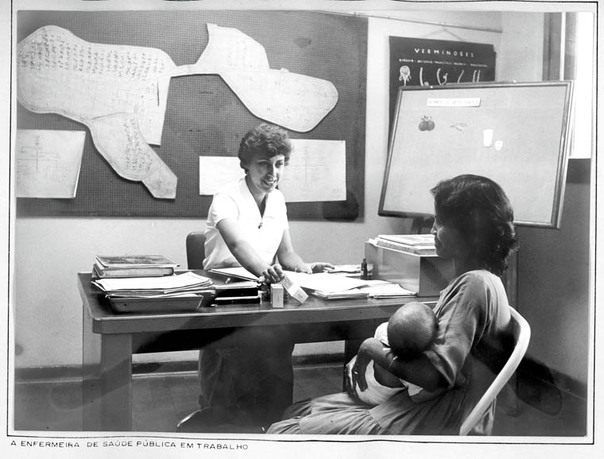
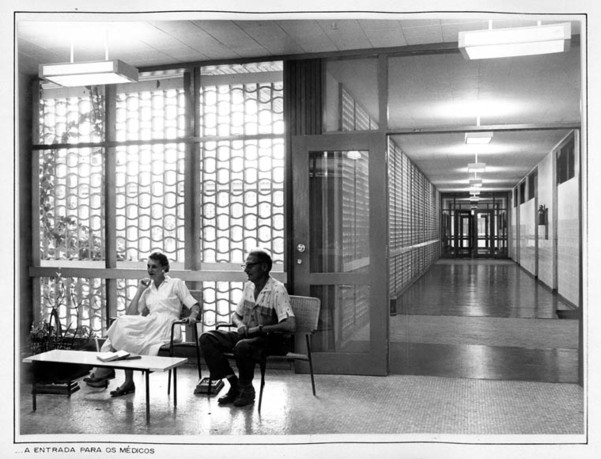
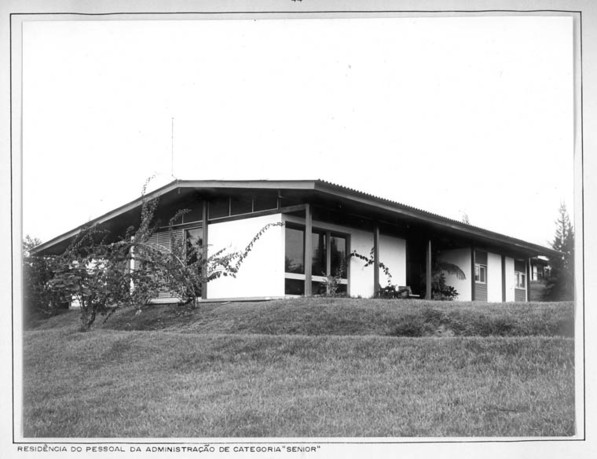
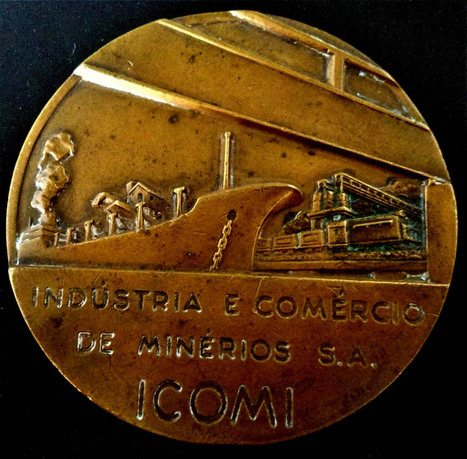
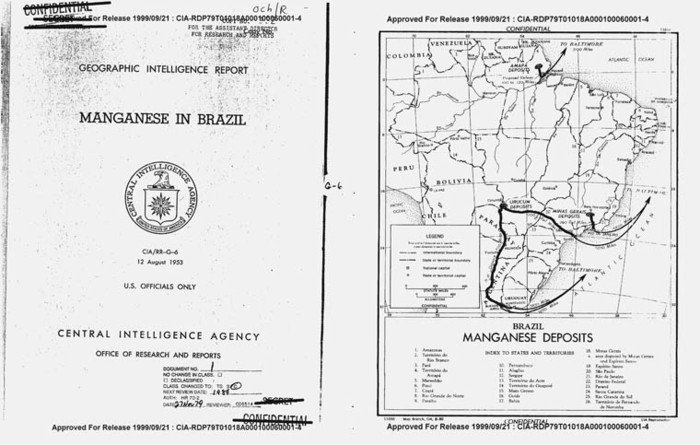
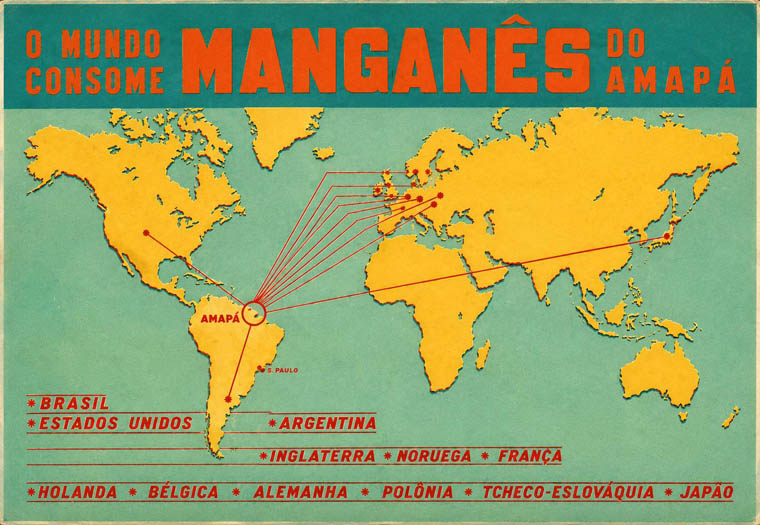
Indústria e Comércio de Minérios (ICOMI), “O Mundo Consome Manganês do Amapá [The World Consumes Manganese from Amapá]," undated. Promotional map
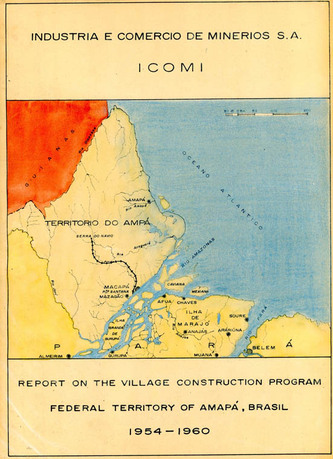
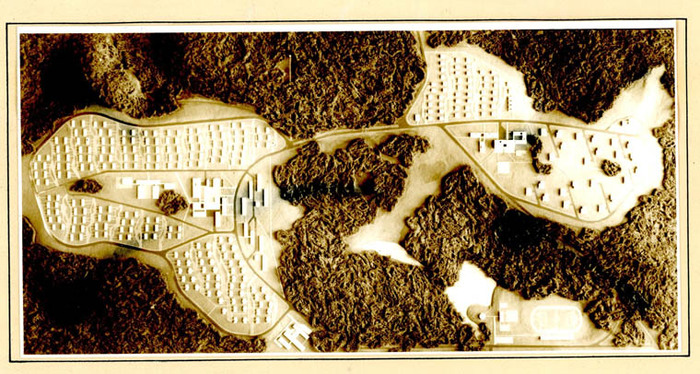
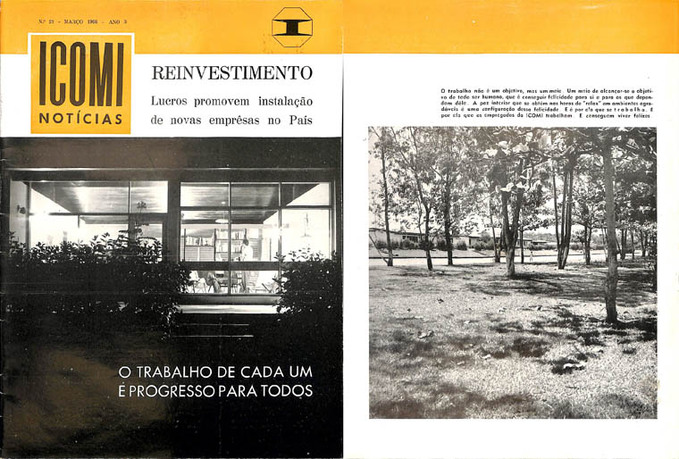
The built environments of Amazonia and the United States—particularly Pennsylvania—are entangled through histories of resource extraction that fueled the Industrial Revolution and contributed to the shift of global power from Britain to the U.S. empire. Across both regions, overlapping systems of governance, infrastructure, and architecture have produced landscapes shaped by cycles of capital accumulation, environmental degradation, and the disruption of local and Indigenous peoples. This project traces these entanglements through Vila Serra do Navio, a company town built in the mid-1950s to support manganese mining in the then federal territory of Amapá, Brazil. Manganese mining in Serra do Navio was the first industrial mining activity in Brazil's Amazon region. During the Cold War, the Bethlehem Steel Corporation of Pennsylvania held a 49% stake in the Brazilian mining company Indústria e Comércio de Minérios (Industry and Commerce of Minerals, ICOMI) and participated in overseeing the venture. Designed in the early 1950s by Brazilian modernist architect Oswaldo Arthur Bratke (1907–1997), the town combined a highly sophisticated approach to climate-adapted timber construction with rigid spatial hierarchies of labor. Time magazine dubbed it “Suburbia in the Jungle” in 1965, likening it to a North American suburb transplanted into the midst of Amazonia. Railroads, ports, and river dredging extended the enclave under narratives of progress, reshaping Amazonian communities, contaminating soils and waterways, and transforming the rainforest.
Vanessa Grossman is an architect, historian, curator, and assistant professor at the University of Pennsylvania Stuart Weitzman School of Design, and exhibitions review editor for the Journal of the Society of Architectural Historians. Her work examines architecture’s relationship to ideology, governance, and socioenvironmental justice across the politics of modernism and modernization. Her research spans Cold War–era designs, labor, technologies, and urban and housing histories in France, Brazil, and the broader Global South, as well as the transnational networks that shaped them. More recently, she has expanded her scholarship toward the built environment and resource extraction of the Amazon rainforest from the eighteenth century to the present. Part of her childhood was spent in an Amazon company town, and her research traces that region’s ties to Pennsylvania, where she is now based, and to the Rust Belt’s industrial history. She has also written on the history of women architects during the Cold War, among them Lina Bo Bardi (1914–1992) and Renée Gailhoustet (1929–2023), examining the politics of their avant-garde aspirations for social change. Her recent books include A Concrete Alliance: Communism and Modern Architecture in Postwar France (Yale University Press, 2024), supported by a 2021 Graham Foundation grant and developed from her Princeton doctoral dissertation, which received the Foundation’s 2015 Carter Manny Award; and Constructed Geographies: Paulo Mendes da Rocha (Casa da Arquitectura/Yale, 2024), coedited with Jean-Louis Cohen, recipient of the 2026 Alfred H. Barr Jr. Award. She cocurated the 12th São Paulo International Architecture Biennale (2019) and major exhibitions at the Venice Architecture Biennale, the Cité de l’architecture et du patrimoine, and Casa da Arquitectura.
Copyright © 2008–2026 Graham Foundation. All rights reserved.