
Madlener House
4 West Burton Place
Chicago, Illinois 60610
Telephone: 312.787.4071
info@grahamfoundation.org
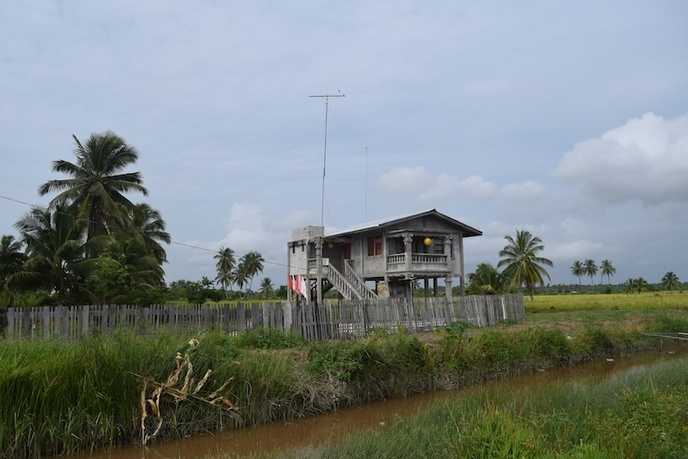
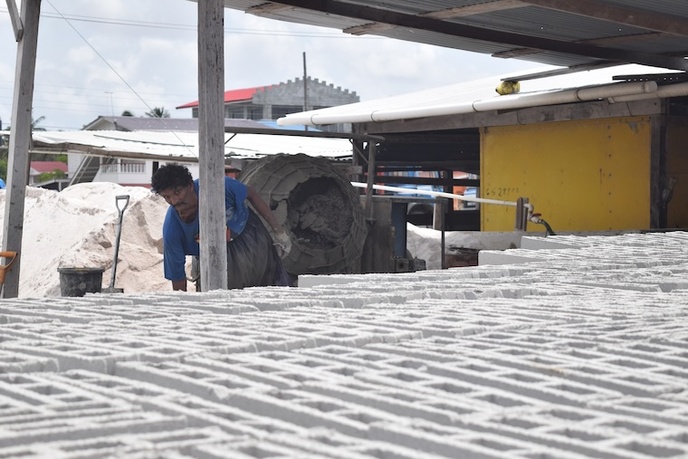
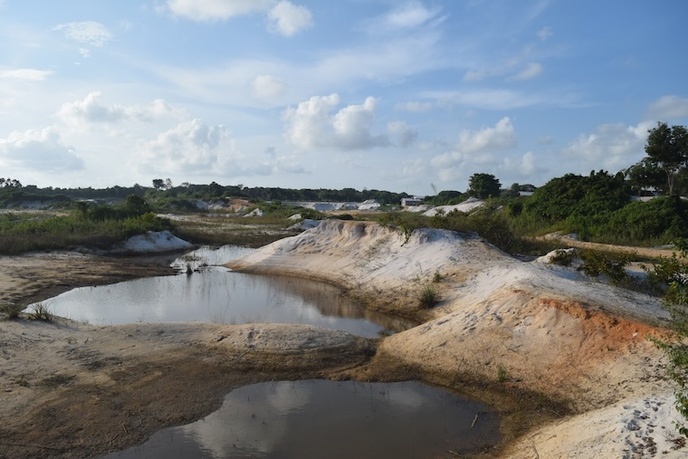
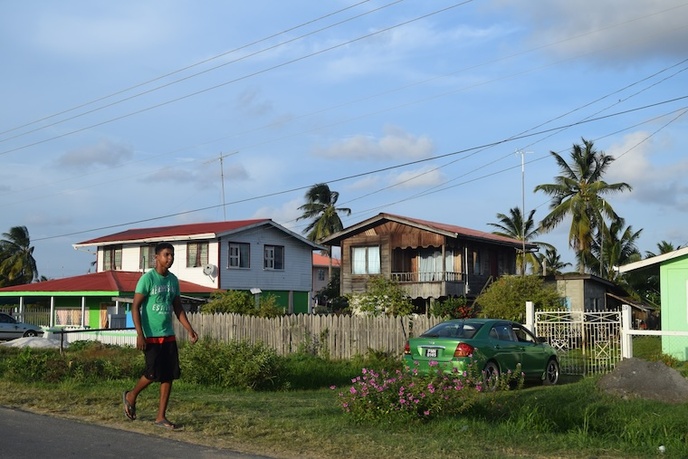
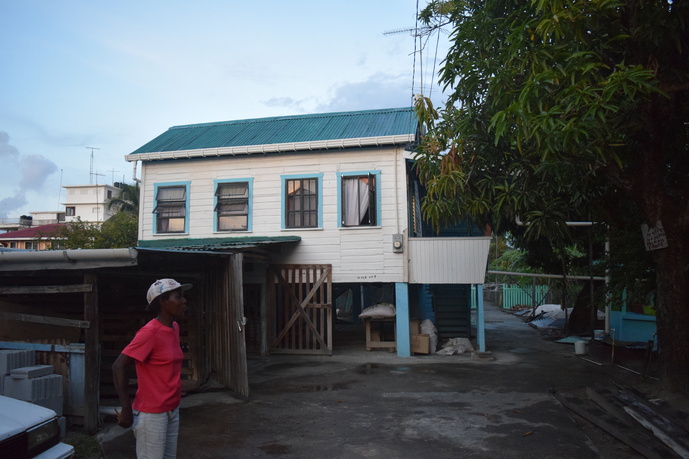
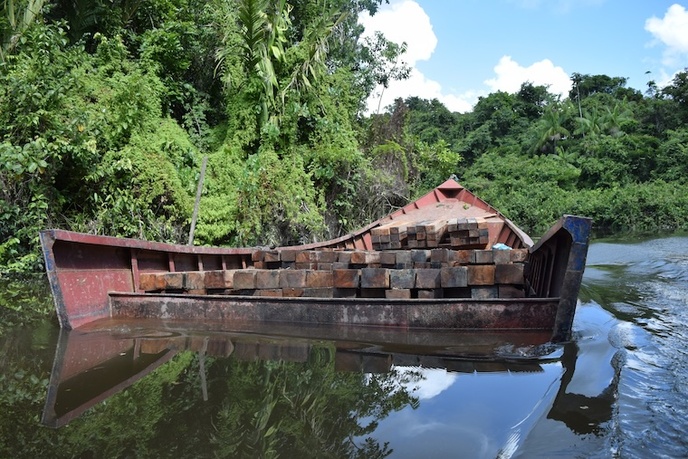
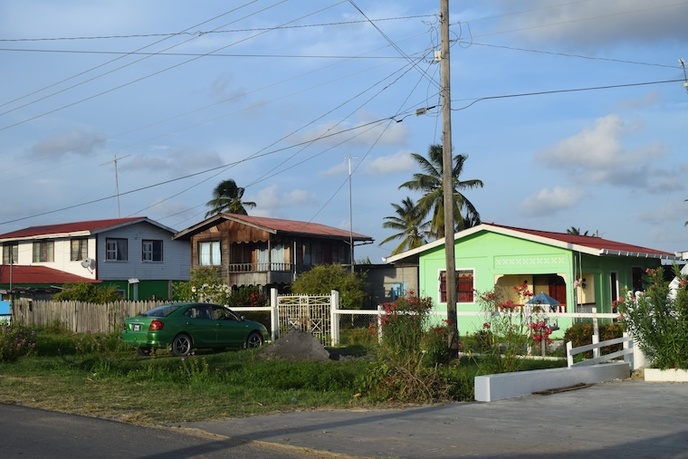
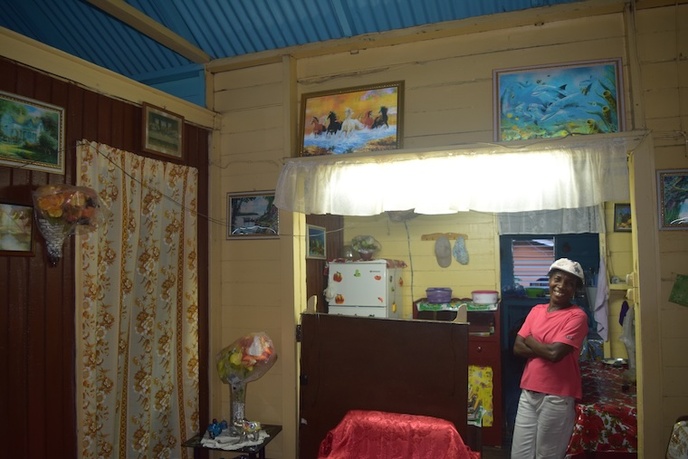
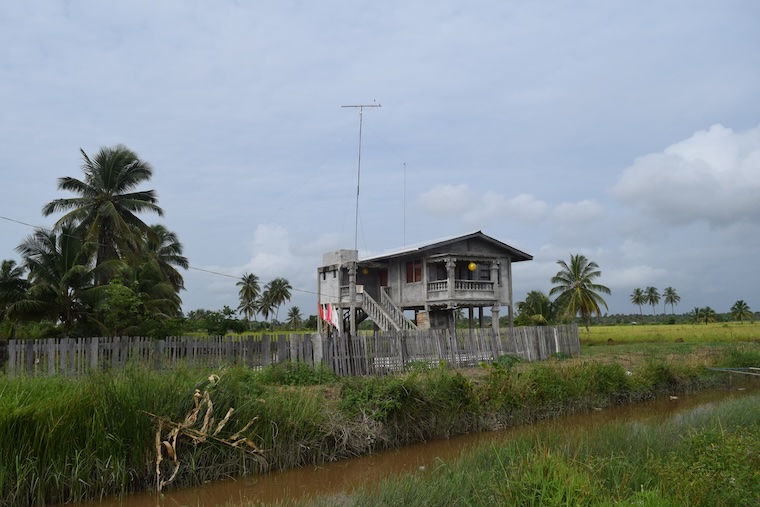
Melina Gooray, “View of Rocky ‘Piggy’ House,” Essequibo, Guyana, 2016. Digital photograph. Courtesy Melina Gooray
Melina Gooray, Northwestern University, Weinberg College of Arts and Sciences, Department of Art History, is the recipient of the 2026 Carter Manny Research Award.
This dissertation traces how West Indian diasporic subjects make, interpret, and inhabit spaces marked by colonial afterlives and material transformation. Through autoethnography and what is termed a Black Girl Archival Methodology, the body is treated as an archive that carries spatial and sensory histories often lost to official record. Moving across Guyana, New York, California, and Georgia, this project follows material shifts—from hardwood to concrete, steel to plastic, adobe to stucco, and flesh to bronze—to reveal how architecture becomes a vessel for memory, longing, and survival. Building on Rory Westmaas’s idea of the “body-house,” the body-home is theorized as a site where migration, memory, and matter converge. This work reimagines architectural history as a living practice—one capable of listening to the resonances between body and building, and to the diasporic ways of remaking home from what remains.
Melina Gooray has over ten years’ experience working in various capacities at the interface of museum and community for a number of cultural institutions across the country, including the Owens-Thomas House and Slave Quarters in Savannah, Georgia; The Art, Design, and Architecture Museum at the University of California, Santa Barbara; and the J. Paul Getty Museum. She is the former director of education at the Colored Girls Museum in Philadelphia, where she developed and led youth programs. In addition, she is a PhD candidate in art history at Northwestern University. Her dissertation, "My Body-Home: Material Shifts in Architecture and West Indian Diasporic Formations," interrogates West Indian diasporic ways of looking and how first-generation Americans visualize, interpret, and engage with the ordinary built environments they inhabit. As a researcher, Gooray is committed to the vital importance of uncovering and (co)authoring the history of the communities she inhabits. She endeavors to make her scholarship relevant to her communities.
Copyright © 2008–2026 Graham Foundation. All rights reserved.